Explore deeper insights and discover what sets us apart.
Dive into our story, products, and vision for
the future. Get ready to know more!
Products
View More
A round metal post serves as a pivotal element in numerous construction and architectural applications, prized for its strength, versatility, and aesthetic appeal. Its applications range from fencing to structural supports, making it an indispensable component in both residential and commercial projects. Drawing from years of industry experience and expert insights, this article delves into why ro
The Iron Shepherd's Hook A Symbol of Guidance and Strength In the tapestry of human culture, the shepherd’s hook emerges not merely as a tool of pastoral care, but as a profound symbol of guidance, authority, and resilience. When we think of the iron shepherd's hook, we find ourselves drawn into a world where physical might meets the gentle art of stewardship. This duality serves as a powerful rem
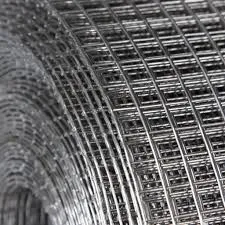
Square metal mesh is a versatile material with a wide range of applications across various industries. This type of mesh is characterized by its square openings, which can vary in size depending on the intended use. Typically made from stainless steel, aluminum, or other metals, square metal mesh offers excellent durability, strength, and resistance to corrosion, making it an ideal choice for both
The heavy-duty U-channel sign post is a vital component in the world of signage, serving as the backbone for visibility and durability in various settings. For businesses and municipalities alike, understanding the unique benefits and applications of this product is crucial for informed decisions and long-term satisfaction. A heavy-duty U-channel sign post stands out due to its robust construction
In daily life and work, we often face the problem of disorganized items such as cables and ropes, which not only affect the cleanliness of the space, but also may consume a lot of time searching and organizing during use. As a practical tool, the twist tie with cutter provides an efficient solution to these problems and gradually enters people's field of vision, playing an important role in many s
Navigating the World of Kennel Prices When considering the boarding options for your beloved pet, the array of kennel prices can be quite daunting. From budget-friendly to luxurious accommodations, kennels offer a wide range of services and price points that reflect their unique offerings. Entry-level kennels often provide the basic necessities for your furry friend. These might include a clean an
Attaching Rafters to a Ridge Beam A Comprehensive Guide When constructing a roof, one of the critical elements is the proper installation of rafters. Rafters are the sloped beams that support the roof and help distribute the weight of the roofing materials, snow, and other loads. A ridge beam, on the other hand, runs horizontally along the peak of the roof and provides additional support for the rafters while helping to maintain the structure's integrity. The method of attaching rafters to a ridge beam is vital for ensuring a strong and stable roof. This article will explore the essential steps, tools, and techniques involved. Tools and Materials Needed Before beginning the installation process, gather all necessary tools and materials 1. Materials - Rafters (typically made of lumber) - Ridge beam (made of engineered wood or lumber) - Screws or nails - Metal connectors (optional for additional support) 2. Tools - Tape measure - Circular saw or miter saw - Hammer or nail gun - Level - Carpenter’s square - Safety gear (goggles, gloves) Step-by-Step Process 1. Planning and Measuring Begin by determining the pitch of the roof, as this will dictate the angle at which the rafters will be cut. Using your tape measure, mark the length of the rafters, ensuring that they extend from the ridge beam to the wall plates at either end of the structure. It is crucial to make accurate measurements to ensure that the roof will be symmetrical and structurally sound. attaching rafter to ridge beam 2. Cutting the Rafters Using a circular saw or miter saw, cut the rafters to the desired lengths. Be sure to create a birdsmouth cut at the bottom of the rafter. This notch will allow the rafter to rest securely on the wall plate, transferring loads effectively. The angle of the cut will depend on the pitch of the roof. 3. Positioning the Ridge Beam Before attaching the rafters, make sure the ridge beam is secure and level. It should be adequately supported at both ends, often by vertical posts or other structural supports. Use a level to guarantee that the ridge beam is perfectly straight. 4. Attaching the Rafters Starting at one end of the ridge beam, lift the first rafter into place. Position the top end of the rafter against the ridge beam and the bottom end on the wall plate. Use a carpenter's square to ensure it is perpendicular to the wall plate. Secure the rafter to the ridge beam using either structural screws or nails. If utilizing nails, three to four 16d nails should suffice. For added stability, consider using metal connectors, especially in areas prone to high winds or heavy snow loads. 5. Repeating the Process Continue this process for each rafter, spacing them evenly. The standard spacing is typically 16 or 24 inches on center, depending on the roofing material and design specifications. As you work, periodically check that each rafter is level and square. 6. Final Adjustments and Inspection Once all rafters are attached, step back and inspect the overall structure. Use your level to confirm that everything is still aligned. Make any necessary adjustments to ensure the rafters are all uniformly positioned. Final Thoughts Attaching rafters to a ridge beam requires precision and care. This process is critical for the roof's stability, aesthetics, and longevity. By carefully following the outlined steps, utilizing the right tools, and maintaining attention to detail, you can ensure a well-constructed roof structure. Additionally, if you are not confident in your ability to complete this task, consulting a professional carpenter or contractor is advisable to ensure the safety and integrity of your building. With a well-constructed roof in place, you can rest easy knowing that your structure is protected against the elements for years to come.

Annual export volume
0TEU
Export countries
0
Number of personnel
0+
Global subsidiaries
0
Explore deeper insights and discover what sets us apart.
Dive into our story, products, and vision for
the future. Get ready to know more!
Understanding the Importance of Lift Power Unit Companies In the ever-evolving landscape of construction and industrial sectors, Lift Power Unit Companies play a crucial role in enhancing operational efficiency and safety. These companies specialize in manufacturing and supplying hydraulic power units, which are essential for the operation of various lifting equipment, such as cranes, hoists, and
Endless Pool Hydraulic Power Unit Manufacturers When it comes to creating the perfect swimming experience, Endless Pools have become a benchmark in the industry. These innovative swimming solutions utilize cutting-edge technology to provide a unique and versatile workout and recreational environment. One of the key components enabling this functionality is the hydraulic power unit, which is essent
High-Quality 4x24 Hydraulic Cylinder A Key Component in Modern Machinery Hydraulic cylinders are essential components in various industries, providing the muscle behind many machines. Among these, the high-quality 4x24 hydraulic cylinder stands out due to its durability, efficiency, and versatility. This article delves into the features, applications, and benefits of using a 4x24 hydraulic cylinde
Copyright © 2025 Hebei Minmetals Co., Ltd. All Rights Reserved. Privacy Policy